

Shoe Cabinet Sizing for HDB Entryways in Singapore
In most HDB flats, the entryway is not really a room. It is a strip of floor between the main door and the living area, often with a wall on one side, a door swinging across it and a household's worth of shoes collecting on the floor. Many families respond by putting a rack outside in the common corridor, while others try to fit everything indoors and end up with a cabinet that blocks the door.
The right shoe cabinet depends less on style than on three numbers: the depth your walkway can spare, the wall length you have, and how many pairs your household actually wears. This guide covers how to measure, when an ultra-slim cabinet makes sense, what fire safety guidelines say about corridor shoe racks, and how to keep shoes fresh in Singapore's humidity.

Quick answer: what size shoe cabinet suits an HDB entryway?
Measure the clear walkway first. If your entryway is narrow or a door swings past the cabinet, choose an ultra-slim model about 17–24cm deep, which stores shoes at an angle. If you can spare 32–35cm, a standard cabinet holds shoes flat and fits boots more easily. Then match the length to your household's everyday pairs, not your whole collection.
How do you measure an HDB entryway for a shoe cabinet?
Take these measurements before you browse. A cabinet 5cm too deep can turn a comfortable walkway into one you pass sideways.
- Wall length. Measure the stretch of wall you plan to use, stopping short of switches, the DB box, the intercom and any door frame.
- Clear walkway. Measure from that wall to the opposite side, subtract the cabinet depth, and check that one person carrying shopping can still pass easily.
- Door swing. Open the main door fully. A cabinet in its path must be shallow enough for the door to clear it. Allow room to stand in front of the cabinet with its own doors open, too.
- Height. Note any intercom, switch or mirror above, and the skirting height at the base.
Ultra-slim or standard depth: which should you choose?
Depth is the decision that matters most in a compact flat. Across Urban Mood's own range, shoe cabinets fall into two clear groups: ultra-slim cabinets at around 17–27cm deep, and standard cabinets at around 32–35cm.
| Factor | Ultra-slim (about 17–27cm) | Standard (about 32–35cm) |
|---|---|---|
| How shoes sit | Usually tilted in flip-out compartments | Flat on shelves |
| Best for | Narrow entryways, behind or beside a door swing | Entryways with a recess or wider walkway |
| Boots and bulky trainers | Often a tight fit; check before ordering | Easier, especially with adjustable or open shelves |
| Stability | Tall and shallow; anchoring to the wall is sensible | More stable footprint |
| Top surface | Narrow ledge for keys or a small tray | Room for a lamp, tray or plant |
Will my shoes fit in a 17cm-deep cabinet?
Most everyday adult shoes do, because slim cabinets store them at an angle rather than flat. Chunky trainers, high-tops, boots and children's light-up shoes are the usual problems. If your household owns several of these, a double-tier slim cabinet at around 24cm deep, or a standard cabinet, is the safer choice. When in doubt, ask the retailer how deep each compartment is before you order.
Do tall, slim cabinets need to be fixed to the wall?
Any tall, shallow piece can tip forward if several compartments are opened at once or a child climbs on it, so securing it with an anti-tip strap or bracket is a sensible precaution in homes with young children.

How many pairs should your shoe cabinet hold?
Size the cabinet for the shoes your household wears in a typical week, not every pair you own. Formal pairs, hiking boots and spares can live in a wardrobe or storage box.
- Count by person. List the pairs each person actually wears in a normal week, such as work shoes, trainers, sandals and slippers. Children often add school shoes and PE shoes.
- Add guests. Add about 20% for visitors and growth, especially if you host family on weekends.
- Check the stated capacity. Where a product lists pairs per tier, use that. Otherwise count compartments, remembering that chunky trainers can take the space of two pairs of slippers.
Can you put a shoe rack in an HDB common corridor?
Many HDB residents keep shoes outside the unit, but corridors are shared escape routes, so there are conditions. According to the Singapore Civil Defence Force's (SCDF) published Fire Safety Guidelines for Residential Estates, SCDF can allow shoe racks along common corridors provided that:
- the rack is used solely for keeping shoes; and
- a clear escape passage of at least 1.2m is kept along the corridor, measured from the parapet wall to the shoe rack.
The same guidelines state that nothing should be placed or stored at staircases and their immediate landings, and that access to fire-fighting equipment such as dry risers and hose reels must stay unobstructed. SCDF also notes that Town Councils, and Management Corporations in condominiums, can set their own by-laws on the use of common areas. Check with your Town Council or MCST before placing anything outside your unit, as their rules may be stricter.
In practice, a corridor rack should be shallow, hold only shoes and sit tight against your own wall. An indoor cabinet is usually kinder to good shoes, which outside face rain, dust and sun.
How do you stop shoes smelling or going mouldy in Singapore's humidity?
An enclosed cabinet in a humid flat can trap moisture, which is when odours and mould on leather start. A few habits help:
- Dry before storing. Air shoes worn in the rain or after exercise until fully dry before closing them away.
- Let air in. Open the cabinet doors every few days, especially in the wetter months. Open shelves allow more airflow.
- Use moisture absorbers. Silica gel sachets or an absorber box help in poorly ventilated entryways; replace them as directed.
- Keep it clean. Wipe shelves of sand and grit, and keep wet umbrellas out.
- Rotate leather pairs. Leather left unworn for months is most likely to develop mould, so air and wipe it now and then.

Urban Mood shoe cabinets to consider
These five are from our shoe cabinets and racks collection, grouped by depth so you can start with what your entryway can take. Check each product page for current options before ordering.
Ultra-slim cabinets for narrow entryways
KISMET Japandi Shoe Cabinet comes in a single-tier version at 17cm deep and a double-tier version at 24cm deep, both 130cm tall, in lengths from 50cm to 100cm. The arched doors and matte laminate suit a Japandi or warm minimalist flat, push-to-open doors avoid handles catching on bags, and a top drawer holds keys. It is made from E1 high-density fibreboard.
CHLOE Ultra Slim Shoe Cabinet is 17cm deep and 114cm tall, in lengths from 60cm to 120cm. Its base has an inward cut to clear wall skirting, so it sits flush against the wall. Glossy laminate and handleless doors keep a small entryway visually quiet.
Standard-depth cabinets for wider entryways
BENEDICT Japandi Solid Wood Shoe Cabinet is made from oak wood in a warm maple stain, at 35cm deep and 108cm tall. The small size is just 48cm long, which can fit beside a door frame in a 3-room flat; the large size is 80cm. Its multiple shelves suit households who prefer shoes stored flat, in a Japandi or Scandinavian scheme.
VIVIDIA Modern Shoe Cabinet has arched glass doors, flat or fluted, and an inbuilt LED light activated by a motion sensor, which helps in a dim entryway at night. It is 35cm deep and 95cm tall, in lengths from 60cm to 160cm, in cream or black. The longer sizes suit a condo foyer or a 5-room flat with a proper entry wall.
SOJU Rustic Solid Wood Shoe Cabinet Bench is a low option at 50cm high and 35cm deep, in lengths from 80cm to 120cm, in natural oak or dark walnut colours. Bench height gives older family members and children somewhere to sit while putting on shoes, and it can act as a low divider where the door opens into the living room.

Making the most of a small entryway
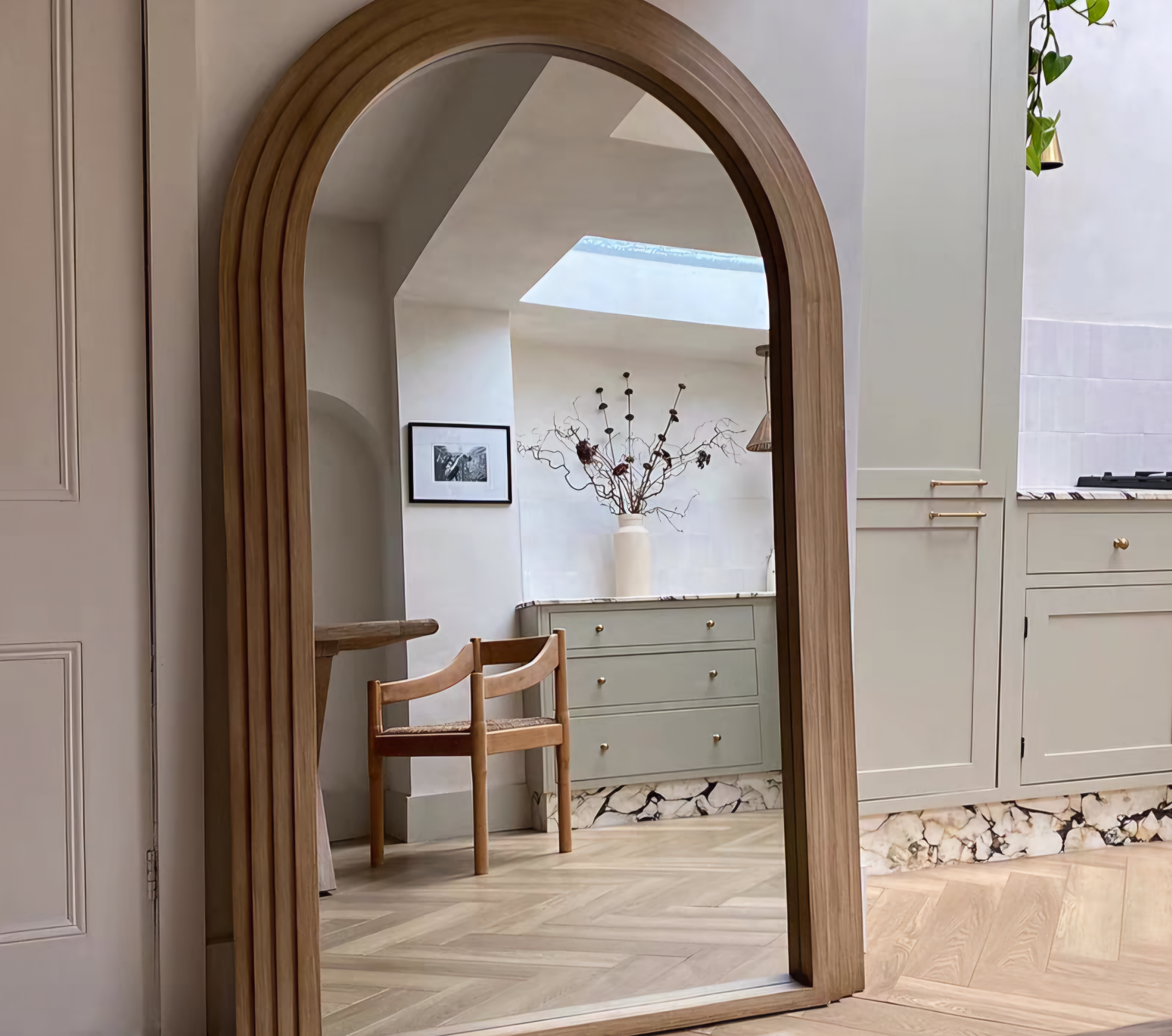
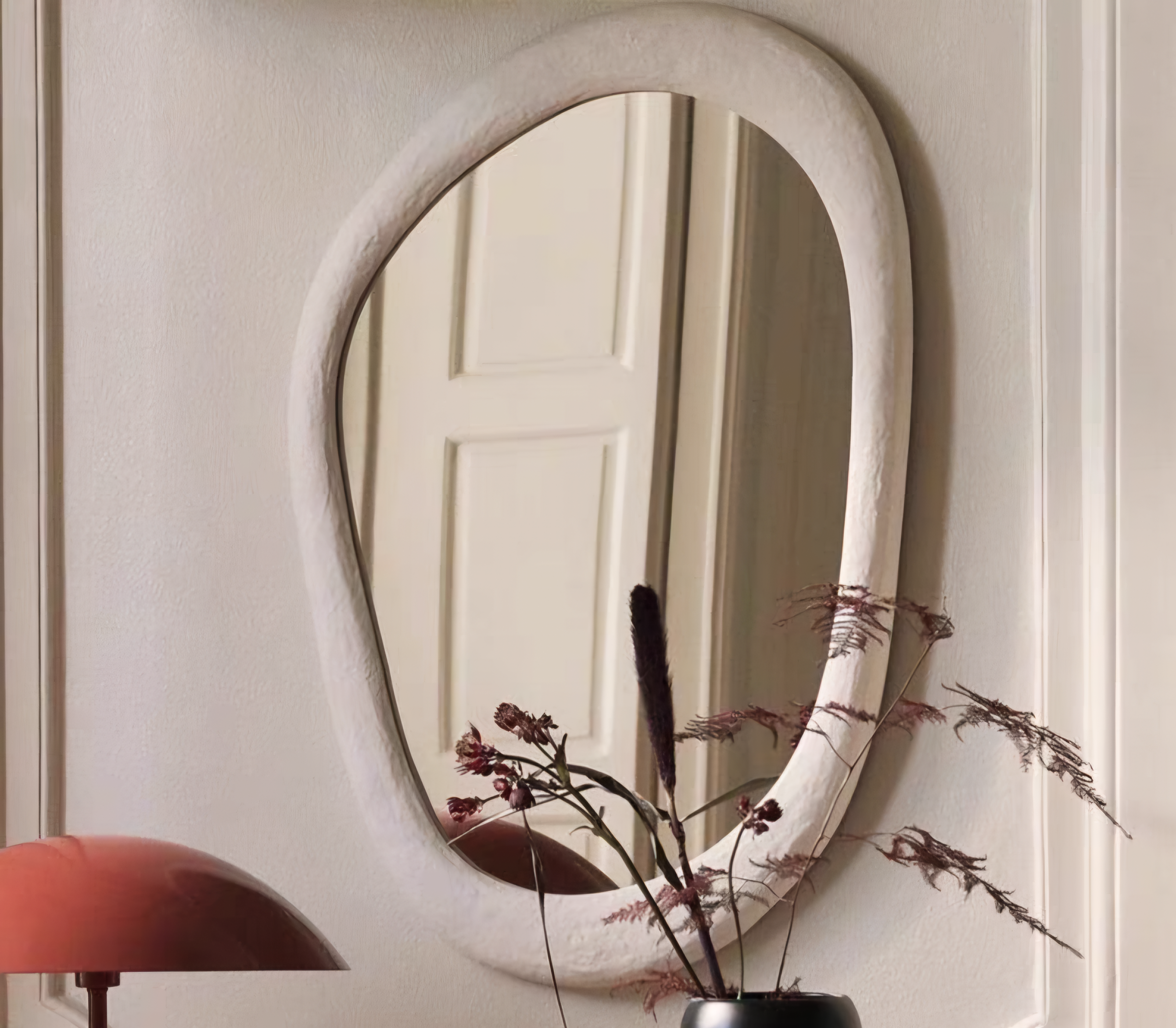
- Use the wall above. A mirror over a low or slim cabinet makes a narrow entry feel wider. Our floor mirrors lean rather than hang.
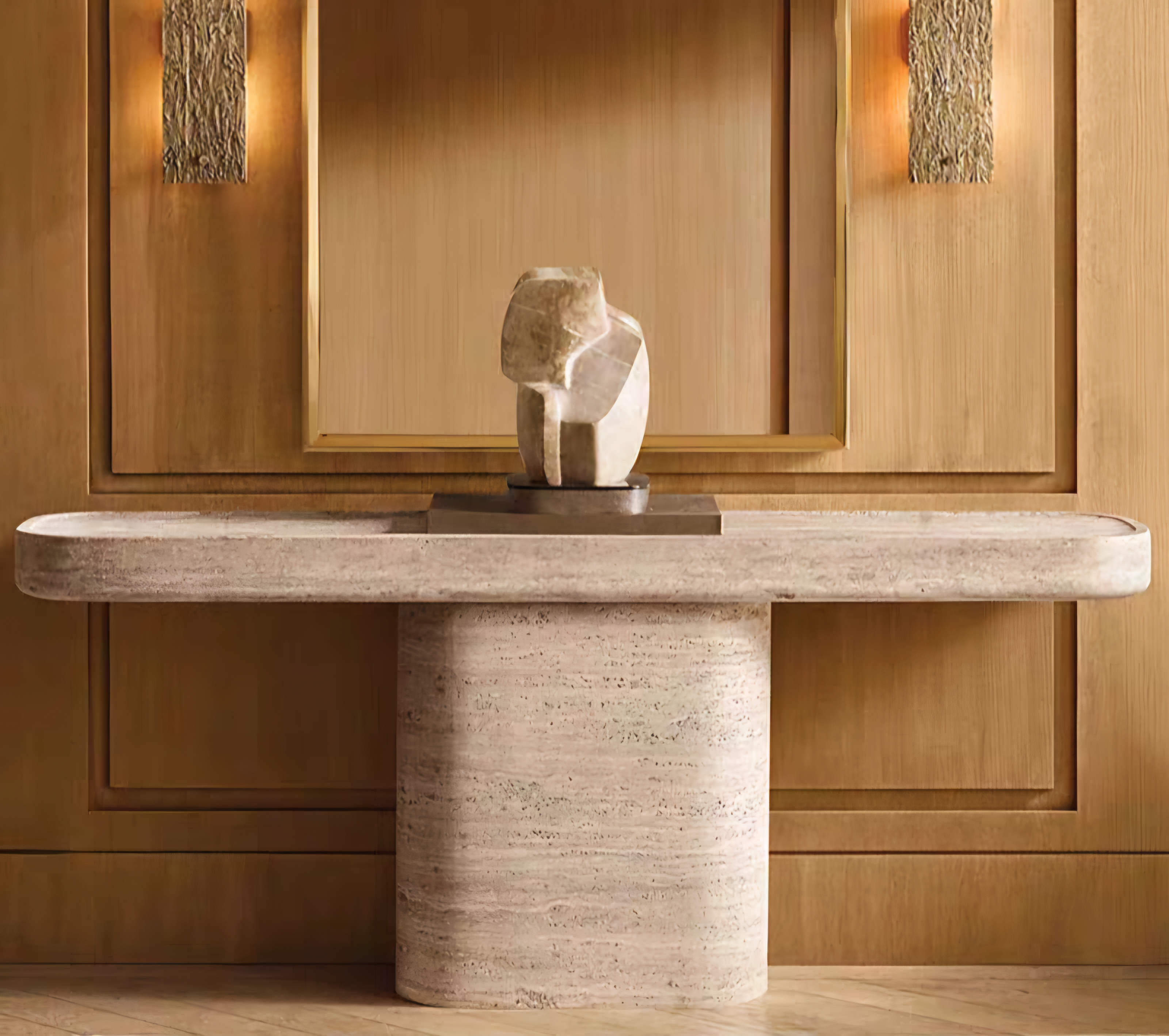
- Consider a console. If shoes live elsewhere, a slim hallway console gives you a landing spot for keys without a cabinet's bulk.
- Match the living room. Our guide to wabi-sabi interior design for Singapore living rooms covers materials that carry well from entry to sofa, and our comparison of lift-up and drawer storage beds helps if the bedrooms are short of storage too.
Frequently asked questions
Is a shoe cabinet allowed outside an HDB flat?
SCDF guidelines say shoe racks can be allowed along common corridors if they hold only shoes and leave at least 1.2m of clear passage from the parapet wall. Nothing may be placed at staircases or landings. Your Town Council may have its own rules, so check with them first.
How do I prevent mould in my shoe cabinet?
Dry shoes fully before storing them, air the cabinet regularly, and place silica gel or a moisture absorber inside.
Can boots fit in an ultra-slim shoe cabinet?
Often not comfortably. If you own several boots or chunky trainers, choose a double-tier slim cabinet or a standard-depth one.
How long should a shoe cabinet be for a family of four?
It depends on tiers and depth. Count the pairs your family wears in a typical week, add about 20%, and compare that with the cabinet's stated capacity.
Choosing your shoe cabinet
Start with the walkway, not the catalogue. Measure wall length, clear passage and door swing, then choose depth: ultra-slim for narrow entryways, standard where you can store shoes flat. Size for everyday pairs, keep any corridor rack to shoes only with 1.2m of clear passage, and let shoes dry before they go away. You can compare slim, standard and bench-height designs in our shoe cabinets and racks collection.