

Wabi-Sabi Interior Design for Singapore Living Rooms
Many Singapore living rooms work hard. In a BTO or resale flat, the same space hosts the television, the children's homework and weekend guests. It is easy for that room to feel busy, and harder to make it feel calm without a full renovation.
Wabi-sabi interior design offers a different approach. Instead of chasing a perfect showroom finish, it favours natural materials, soft colours, visible texture and fewer, better-chosen pieces. That makes it a practical match for compact HDB and condo living rooms, where every object is on show. This guide explains what wabi-sabi means for a living room, how it differs from Japandi, which materials cope with Singapore's humidity, and how to plan the furniture layout.

Quick answer: how do you create a wabi-sabi living room in Singapore?
Start with a warm neutral palette, then choose a few pieces in honest materials such as travertine, solid wood and textured fabric. Keep surfaces clear, hide everyday clutter in closed storage and let irregular shapes and natural variation show. In a humid Singapore home, favour materials that are easy to wipe down, and leave space around furniture for airflow.
What is wabi-sabi interior design?
Wabi-sabi is a traditional Japanese aesthetic that finds beauty in things that are imperfect, impermanent and incomplete. It grew out of Buddhist ideas about impermanence, and it is usually associated with qualities such as asymmetry, roughness, simplicity, modesty and an appreciation of natural materials.
In a living room, those ideas translate into a few practical habits:
- Natural over synthetic-looking. Stone with pores and banding, wood with visible grain, fabric with a tactile weave.
- Character over uniformity. A coffee table that is slightly irregular, a lamp base that varies from piece to piece.
- Restraint over abundance. Fewer objects on display, each with a reason to be there.
- Ageing as part of the design. A light etch on stone or a softened edge on timber is accepted rather than hidden.
Wabi-sabi is not the same as untidy or unfinished. The room should still feel cared for; it simply does not need to look brand new.
How is wabi-sabi different from Japandi?
The two styles overlap, which is why they are often mentioned together. Japandi combines Japanese and Scandinavian minimalism, with clean lines, light timber and a tidy, ordered look. Wabi-sabi is earthier and less precise. It leans towards organic shapes, rougher textures, darker or more weathered tones and objects that show the hand that made them.
| Feature | Wabi-sabi | Japandi |
|---|---|---|
| Shapes | Organic, irregular, rounded | Clean, straight, geometric |
| Materials | Travertine, raw timber, plaster, linen, ceramics | Light oak, ash, rattan, smooth fabrics |
| Palette | Earthy beige, clay, stone, taupe | Pale wood, white, soft grey, black accents |
| Finish | Matte, textured, visibly natural | Neat, smooth, precise |
| Mood | Quiet, grounded, lived-in | Calm, ordered, airy |
You do not have to choose one strictly. Many Singapore homes combine a Japandi base with a few wabi-sabi pieces, such as a stone coffee table or a textured rug. Our Japandi series is a useful starting point if you prefer that blend.
Which colours suit a wabi-sabi living room?
Choose colours that look as if they came from the ground: cream, oatmeal, sand, taupe, clay and warm grey, with walnut or darker timber for contrast. Limit the palette to three or four related tones so that texture, rather than colour, does the work. Test paint and fabric samples in both daylight and evening light before committing.
What materials work in Singapore's humid climate?
Singapore stays warm and humid all year round, and that affects how natural materials behave indoors. It is worth knowing each material's habits before you buy.
Travertine and natural stone
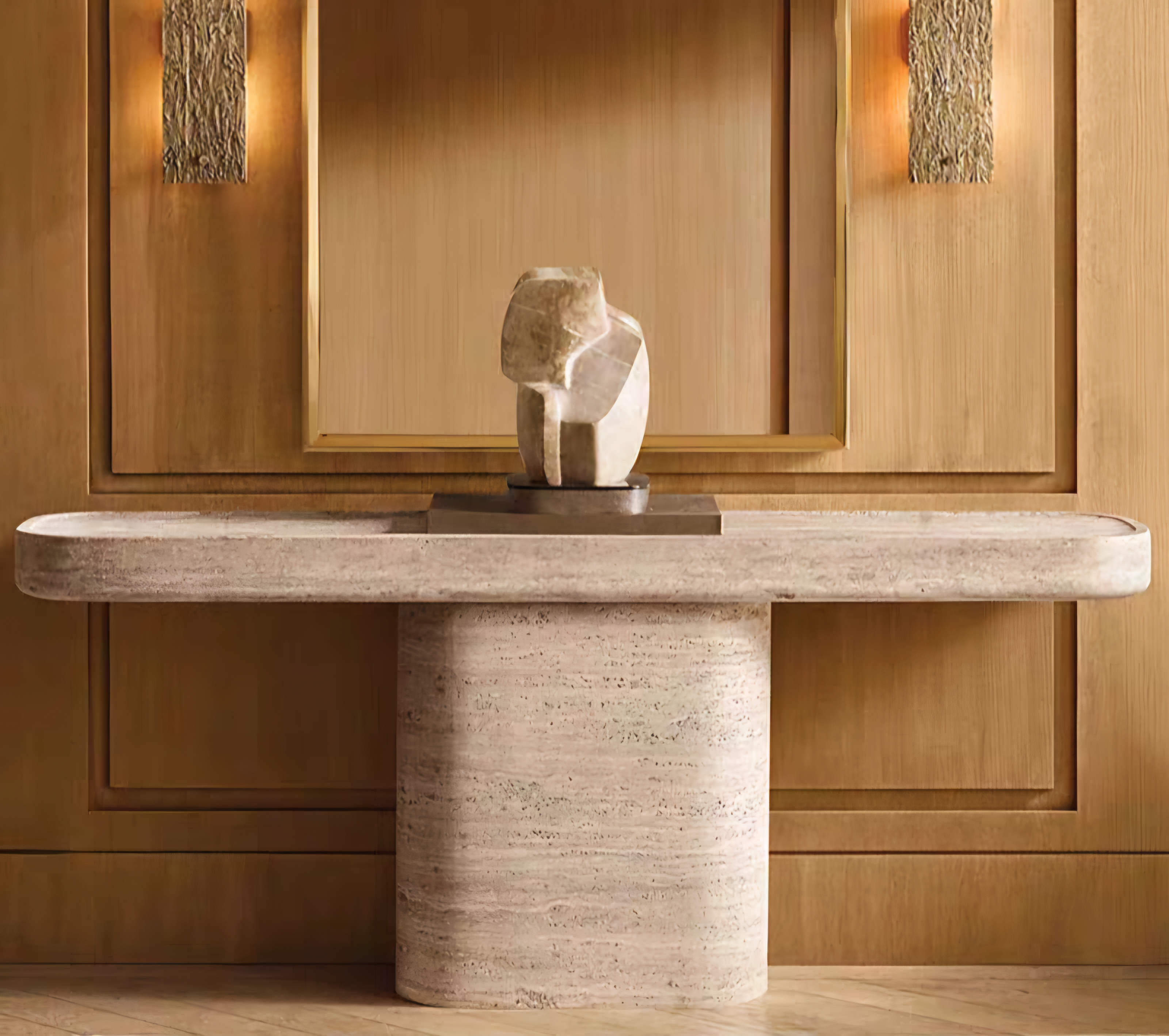
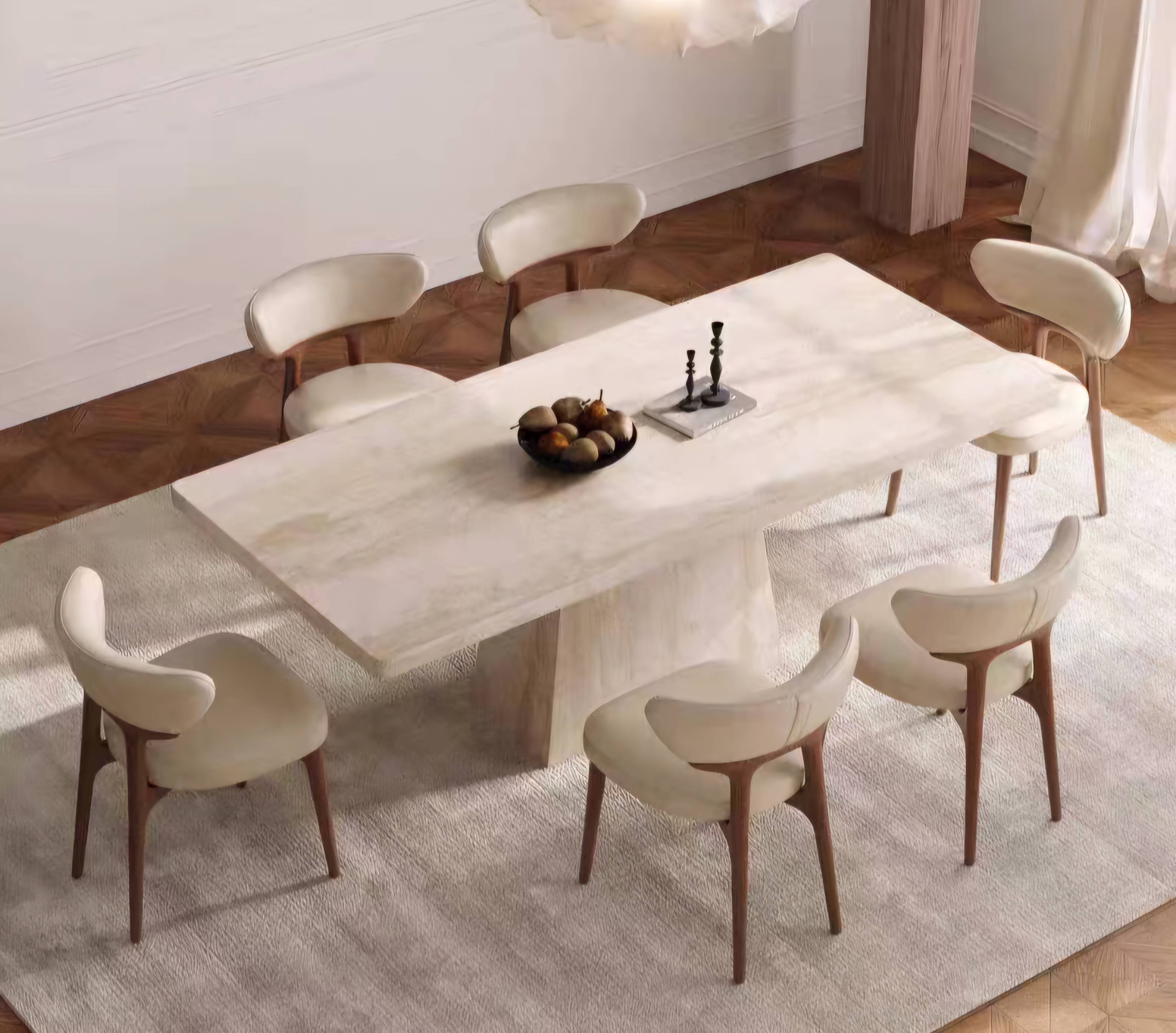
Travertine copes with humidity far better than timber because it does not swell or shrink with moisture. Its weakness is acid: lemon, vinegar and wine can leave a dull etch mark because the stone is mostly calcium carbonate. In a wabi-sabi room, light etching often blends into the stone's character, but coasters and prompt wiping still help. Our guide to travertine and sintered stone tables covers care in more detail.
Solid wood
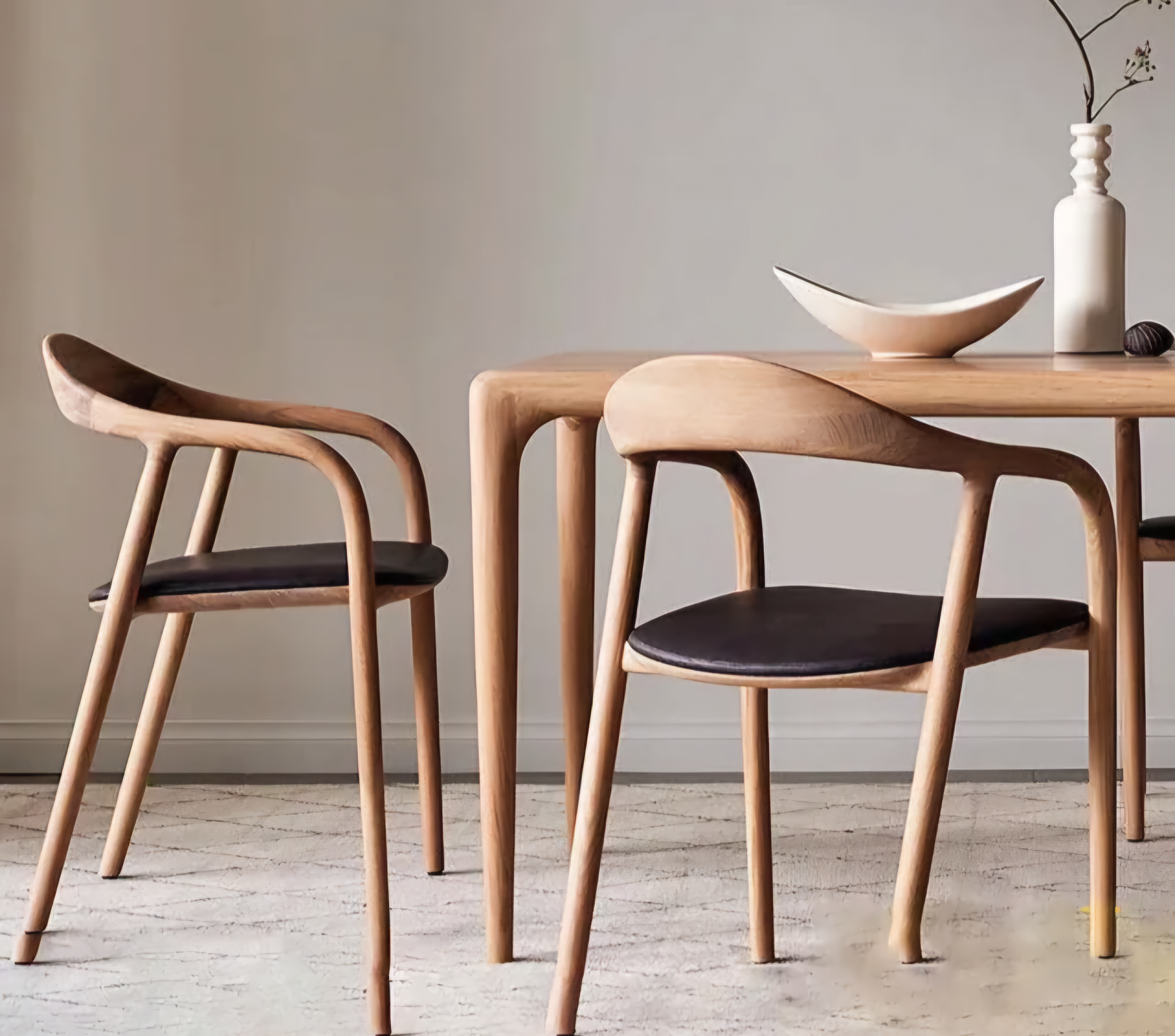
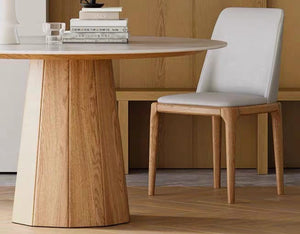
Wood absorbs and releases moisture, so it moves slightly as conditions change. Keep wooden pieces out of strong direct sun and away from air-conditioner outlets blowing straight onto them, and dust with a soft, dry cloth. These habits help reduce cracking and warping over time.
Textured fabrics
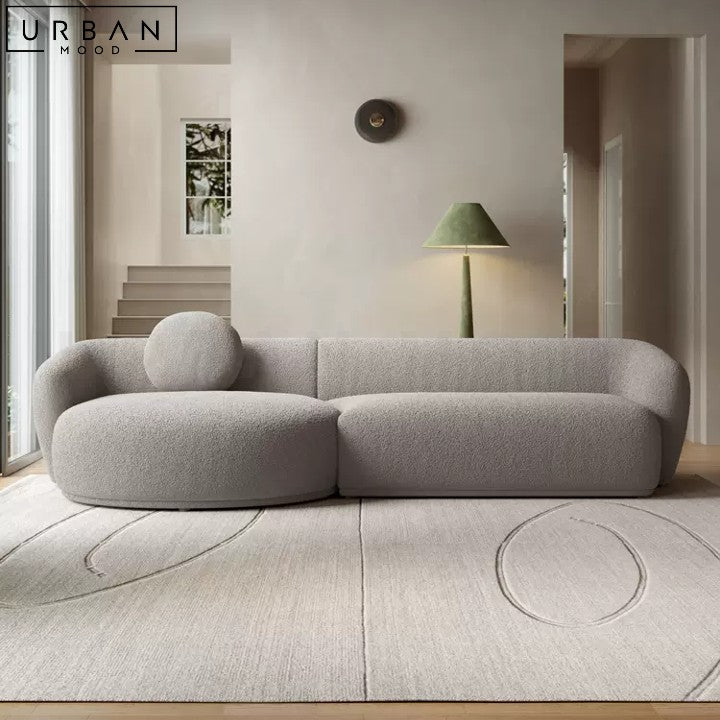
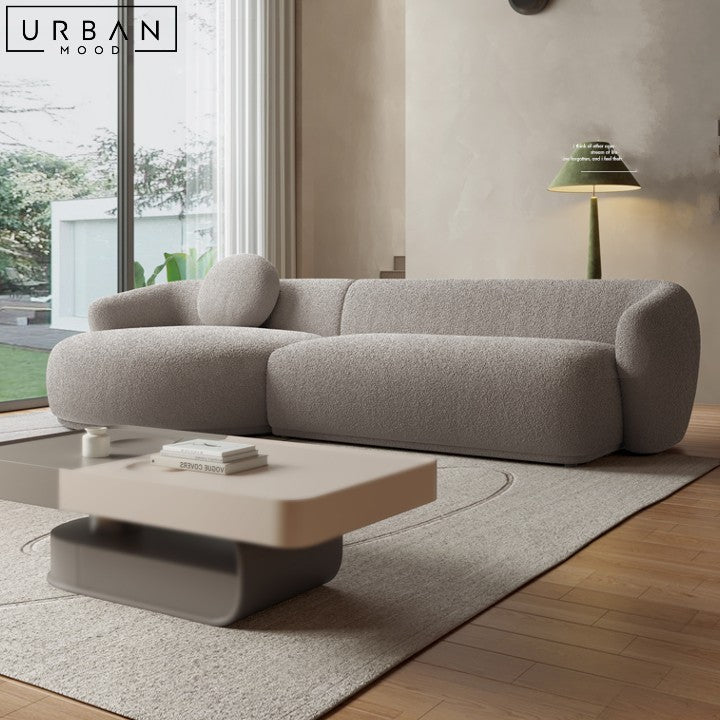
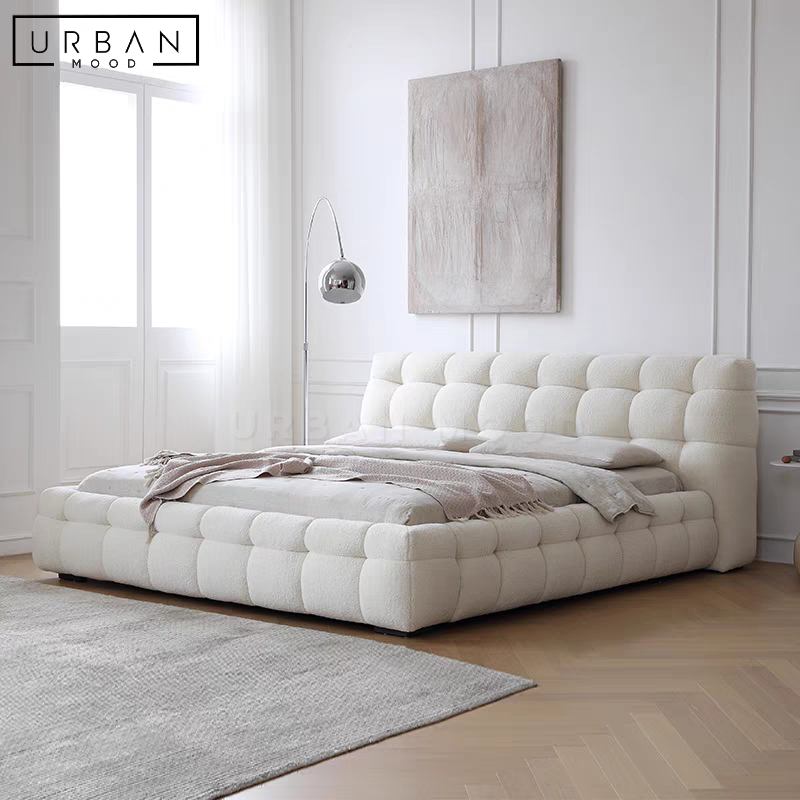
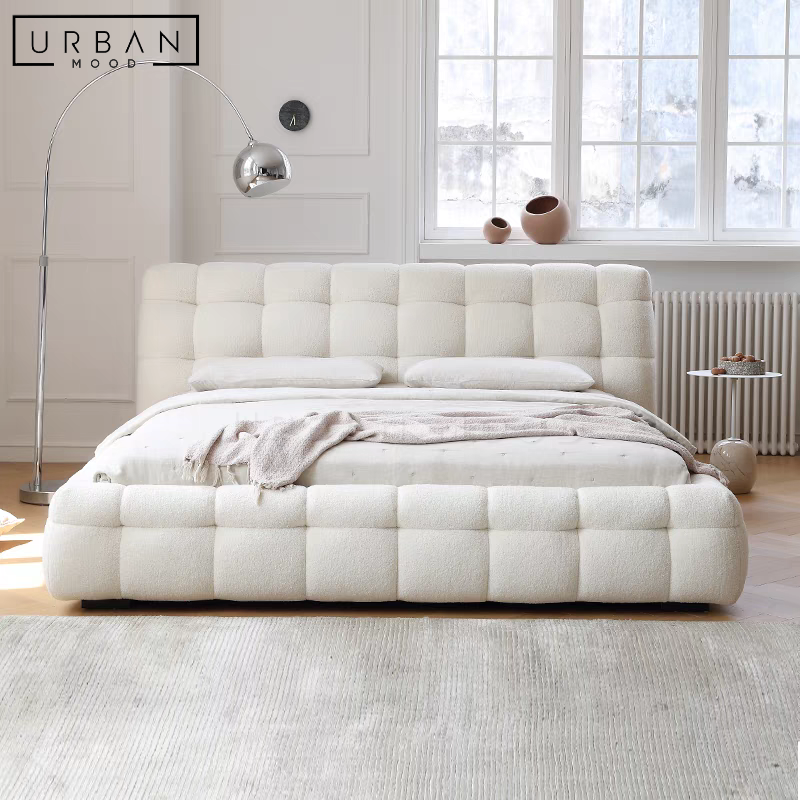
Corduroy, linen-look weaves and bouclé all add the tactile quality wabi-sabi relies on. Vacuum upholstery regularly with a soft brush attachment, blot spills rather than rubbing them, and keep the room ventilated so cushions dry out properly. Our post on bouclé furniture explains why textured fabrics are so popular.
Rugs
Polypropylene rugs do not absorb water, which makes them resistant to staining and less prone to mildew than many natural-fibre rugs. Oily spills can cling to the fibres, so treat those promptly, and dry the rug thoroughly after any wet cleaning.

How do you plan a wabi-sabi layout in an HDB or condo living room?
Wabi-sabi depends on breathing room, so the layout matters as much as the furniture. A good rule is to plan the walkways first and fit the furniture around them.
- Measure the wall for the sofa. Leave space at each end for a side table or simply for air to circulate.
- Size the coffee table to the sofa. A common guideline is a table about two-thirds of the sofa's length, placed roughly 30–45cm from the seat edge.
- Choose low furniture. Low-slung sofas, coffee tables and consoles keep sightlines open, which makes a compact room feel larger.
- Put storage behind doors. Routers, remotes and children's toys disappear into a closed console, leaving the top for one or two objects.
- Anchor with a rug. Choose one large enough for at least the front legs of the sofa to rest on it, so the seating area reads as one zone.
- Layer the lighting. Pair the ceiling light with a table lamp or floor lamp for warm, low evening light.
Can wabi-sabi work in a small 3-room flat?
Yes. Wabi-sabi suits small spaces well because it asks for fewer pieces. Prioritise a compact sofa, a single coffee table you can move, and closed storage. Skip the large display shelving and let one textured object, such as a stone lamp, act as the focal point.

How do you style a wabi-sabi living room without clutter?
Styling is where the look succeeds or fails. Try these habits:
- Use odd numbers and space. One vase and one book on a coffee table often look better than six small items.
- Mix textures, not colours. Combine smooth timber, porous stone and a ribbed fabric in similar tones.
- Edit regularly. Clear surfaces once a week. Wabi-sabi welcomes imperfection in materials, not piles of paperwork.
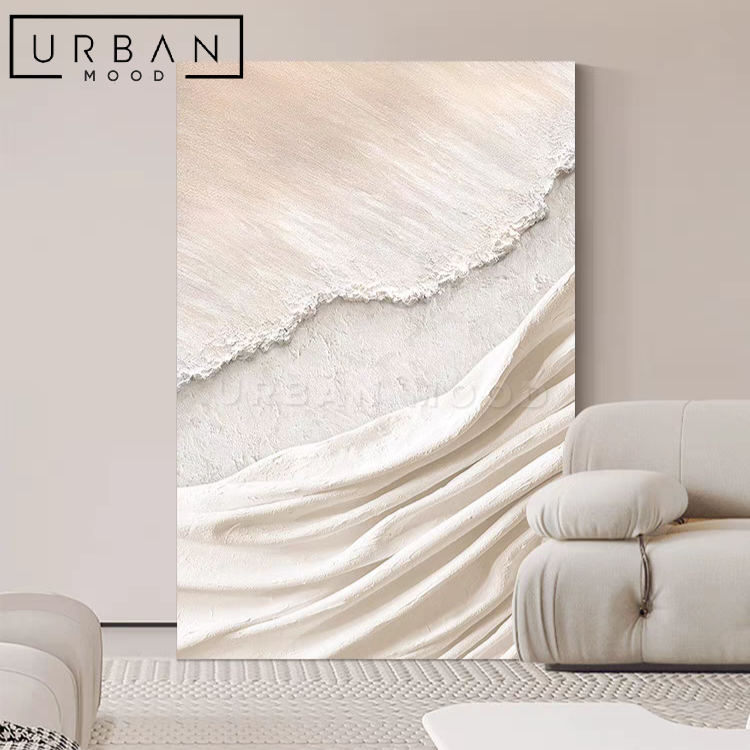
- Choose art with restraint. One large, quiet piece above the sofa usually works better than a gallery wall.
Urban Mood pieces for a wabi-sabi living room
These five pieces cover the main elements of the room: seating, a central table, storage, lighting and a rug.
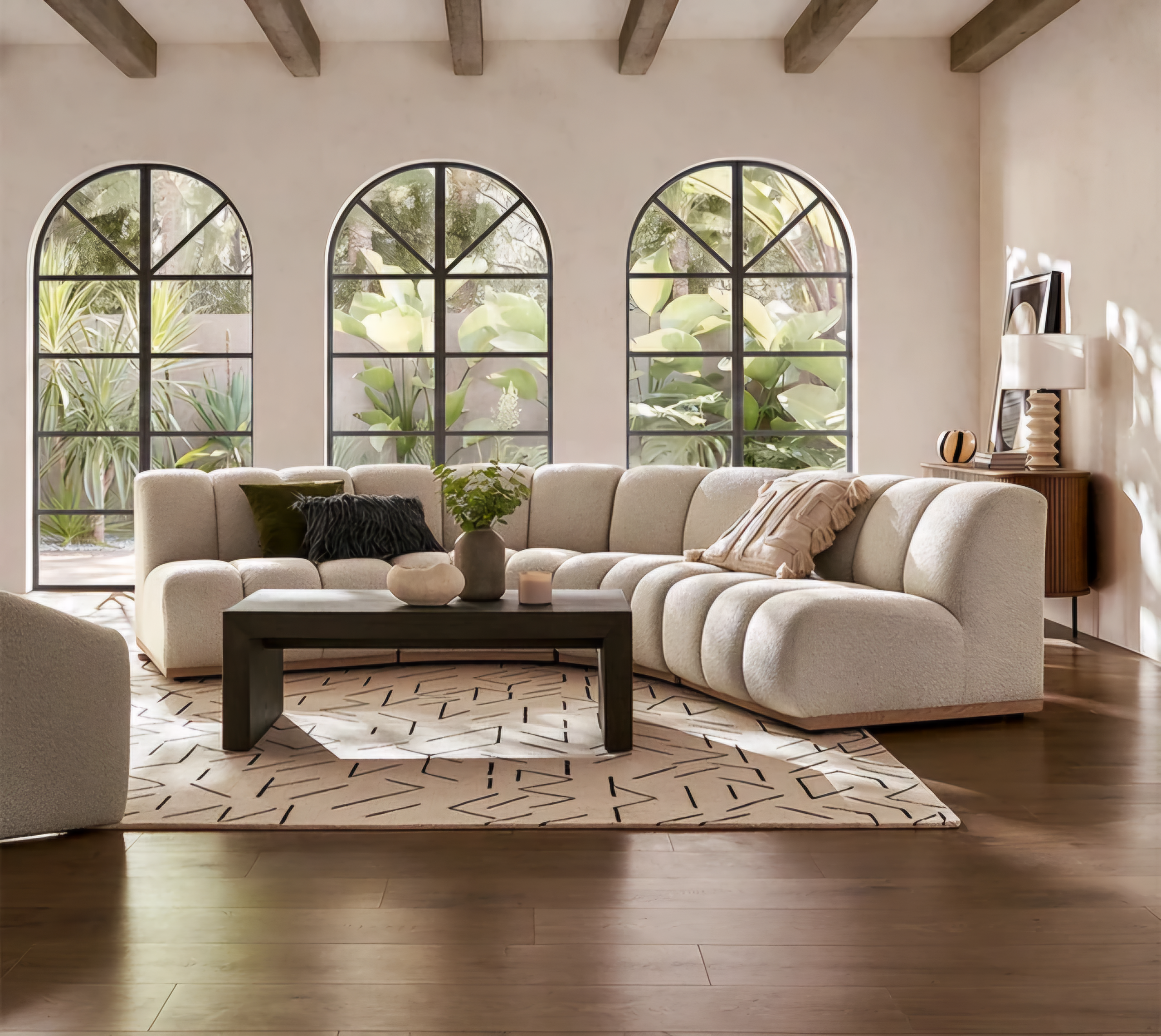
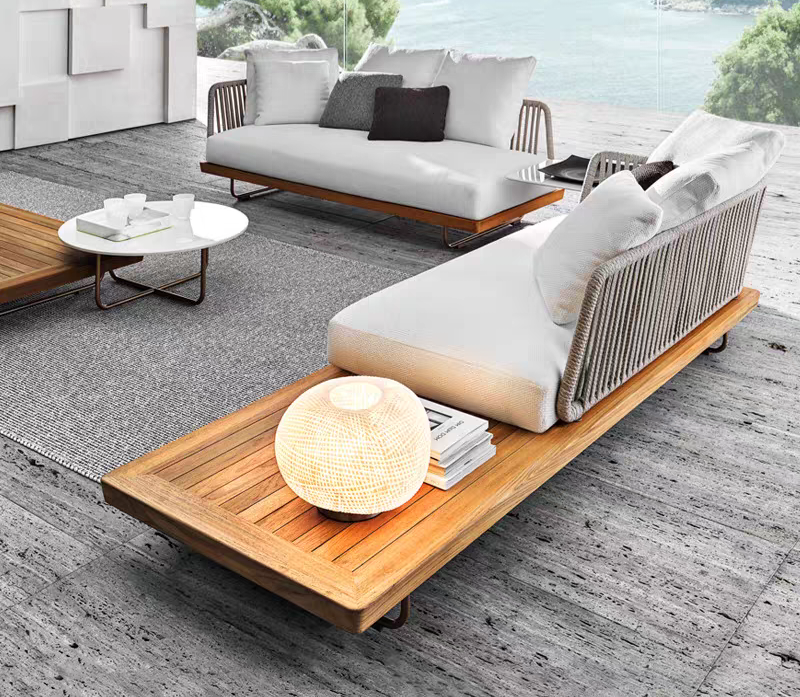
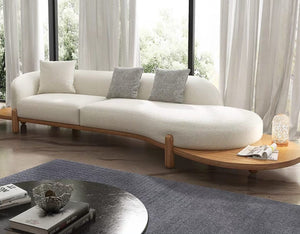
WABI Japanese Fabric Sofa is upholstered in corduroy with cherry wood. The ribbed fabric gives the soft texture this style needs. It comes in lengths from 97cm up to 320cm, all 89cm deep and 80cm high, so you can match it to anything from a compact HDB living room to a larger condo. Colour options include White and Light Gray for a neutral scheme, or Army Green for an earthier accent.
MOYA Wabi Sabi Travertine Coffee Table is made from natural travertine as two interlocking half-moon tables, one 40cm high and one 35cm high, each 90cm long and 45cm wide. Use them together as one centre table, or pull one aside when you need floor space. Natural travertine needs coasters for acidic drinks.
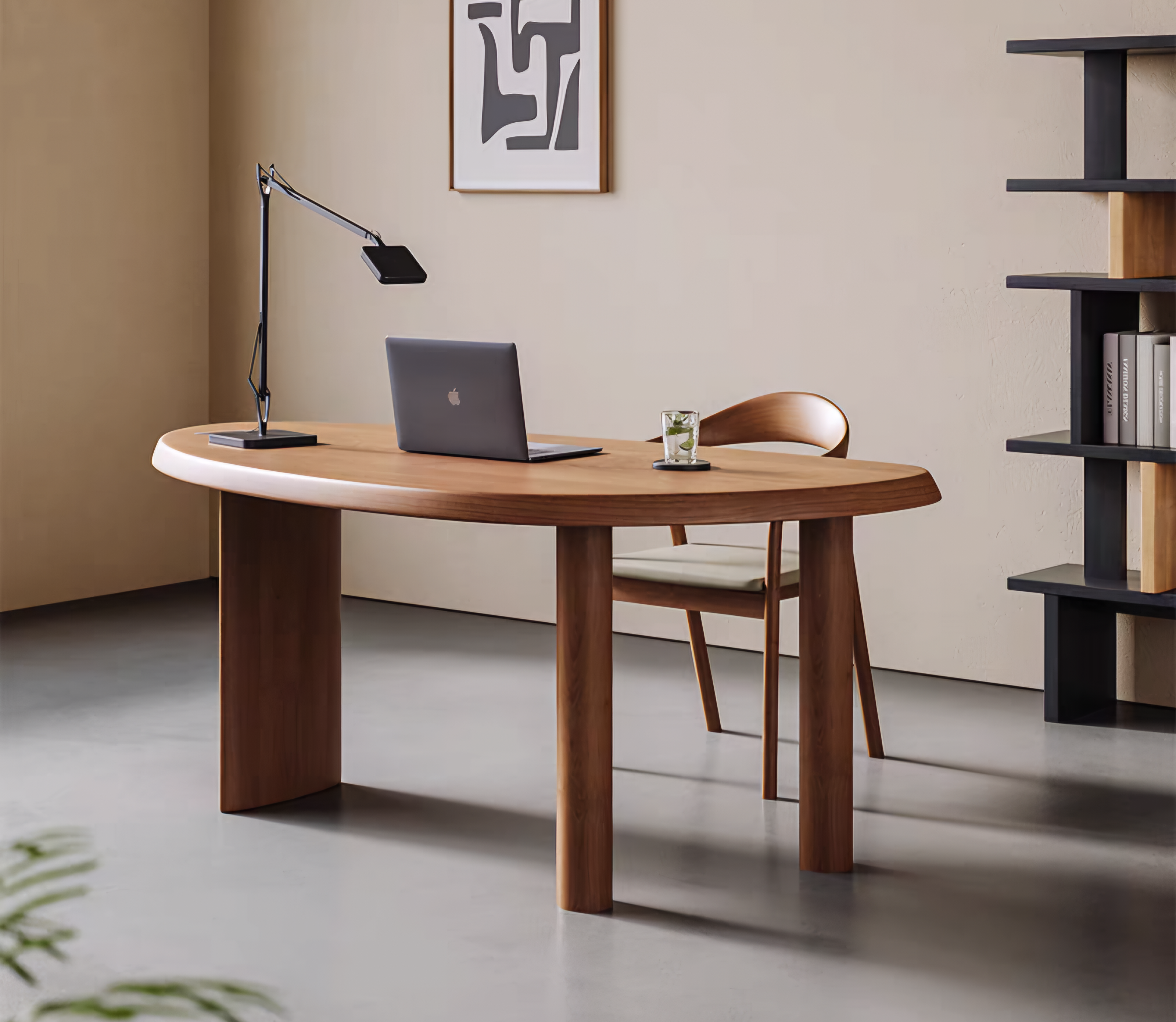
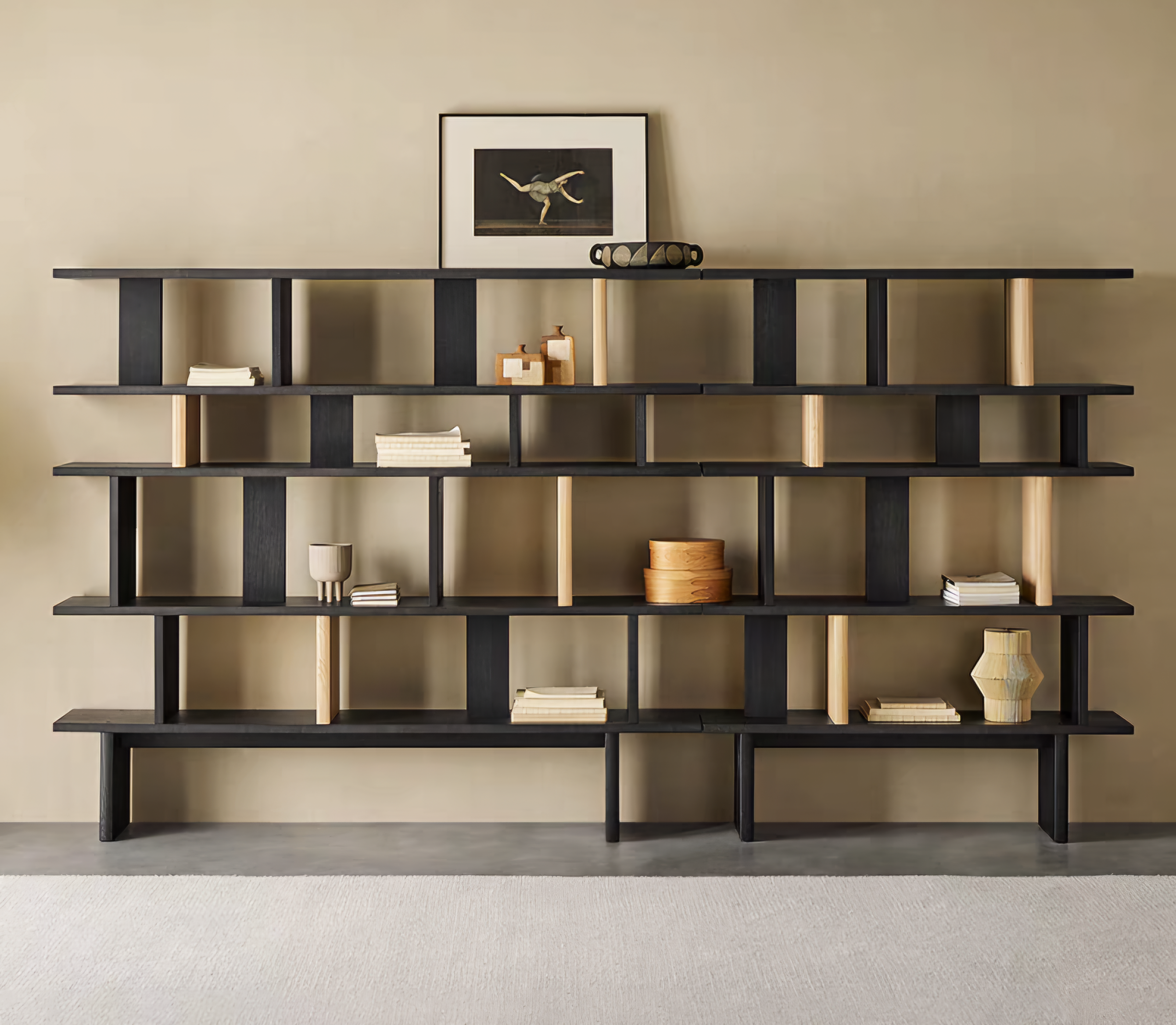
ARLO Wabi Sabi Solid Wood TV Console is made from oak wood in 180cm, 200cm and 220cm lengths, each 40cm deep and 52cm high. The low profile keeps the wall uncluttered, and the timber adds warmth against stone and fabric. Browse more TV consoles if you need a different depth.

ARMINE Wabi Sabi Travertine Table Lamp has a travertine base and an off-white fabric lampshade that diffuses light softly. It takes an E27 bulb and comes in a small (30cm diameter, 48cm high) or large (35cm diameter, 55cm high) size. Place it on a console or side table for warm evening light.
MILEA Wabi Sabi Rug is made from polypropylene, which keeps maintenance low in a humid home. It is available in five neutral styles and sizes from 160 x 230cm up to 400 x 500cm, so you can choose one large enough to sit under the front of your sofa.

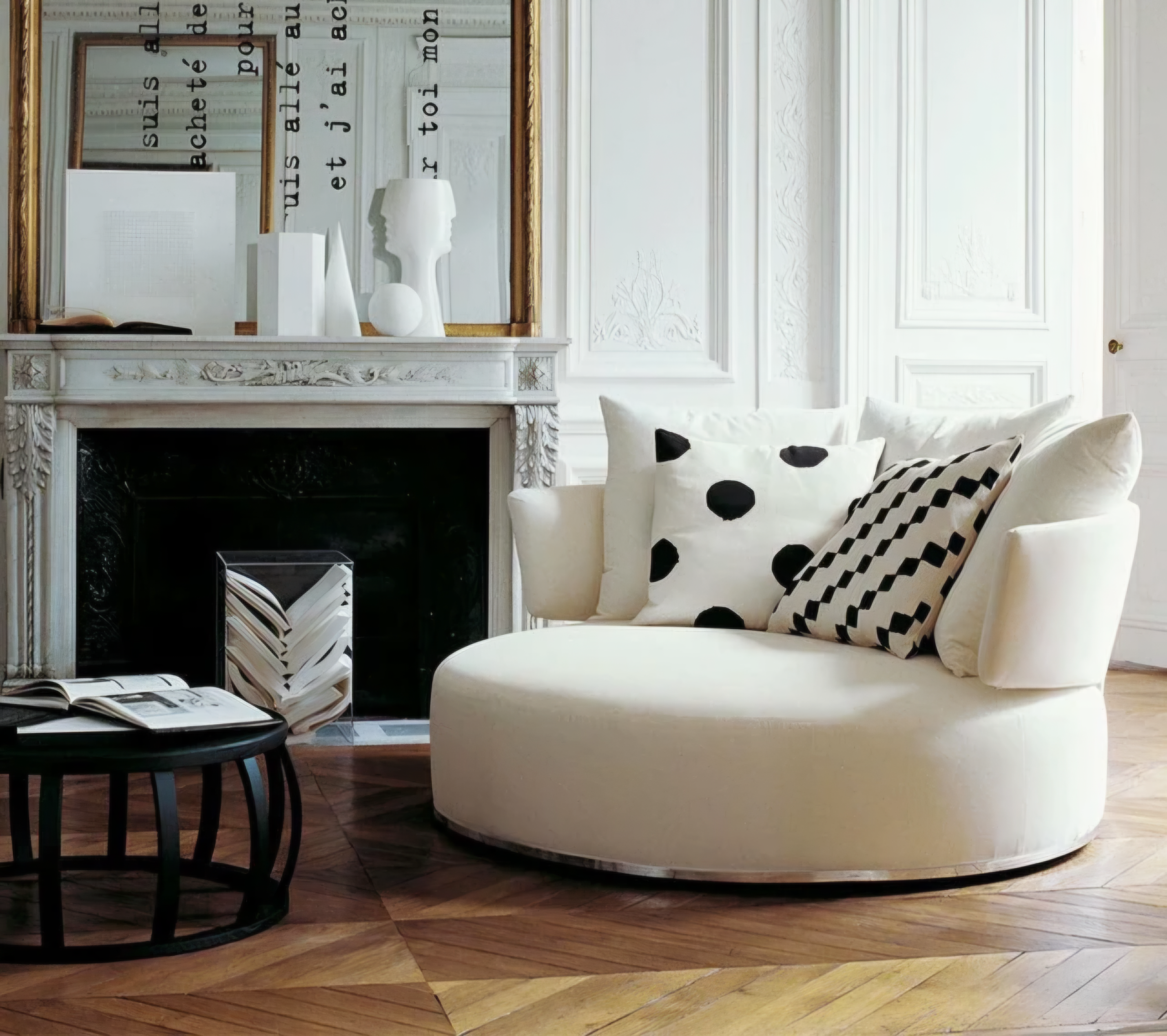
For more stone pieces, see our travertine tables, and for alternative seating, our fabric sofas. If you like softer shapes, our article on curved sofas shows how rounded seating changes a room's flow.
Frequently asked questions
Is wabi-sabi suitable for a family home with children?
Yes, and it can be more forgiving than a glossy modern look. Matte textures and natural variation hide small marks well. Choose rounded or irregular coffee tables without sharp corners, and closed storage for toys.
Does wabi-sabi have to be expensive?
No. The style rewards owning fewer things, so you can build it gradually. Start with one anchor piece, such as a stone coffee table or a textured sofa, and add to it over time.
Is travertine a good coffee table material in Singapore?
It suits the climate because it is not affected by humidity in the way wood is. It can etch from acidic spills, so use coasters and wipe spills promptly. Many wabi-sabi fans accept light etching as part of the stone's character.
Which rug material is easiest to maintain in a humid flat?
Polypropylene is one of the easiest because it does not absorb water and resists staining and mildew. Dry it thoroughly after cleaning, and treat oily spills quickly.
Bringing wabi-sabi into your living room
A wabi-sabi living room rests on a few simple choices: a warm, earthy palette, honest materials, low furniture with space around it, and storage that keeps daily clutter out of sight. In Singapore's humidity, travertine, well-placed solid wood, easy-care rugs and regularly aired fabrics will age gracefully. Start with one anchor piece and build slowly. You can explore our Japandi and wabi-sabi pieces or browse our stone tables to find a starting point for your home.